
€784.00
On request
Delivery time: 1-3 business days
Free delivery for orders over €1,000
Installment plans/deferred payment available
Discounts on training courses up to 2 years after purchase
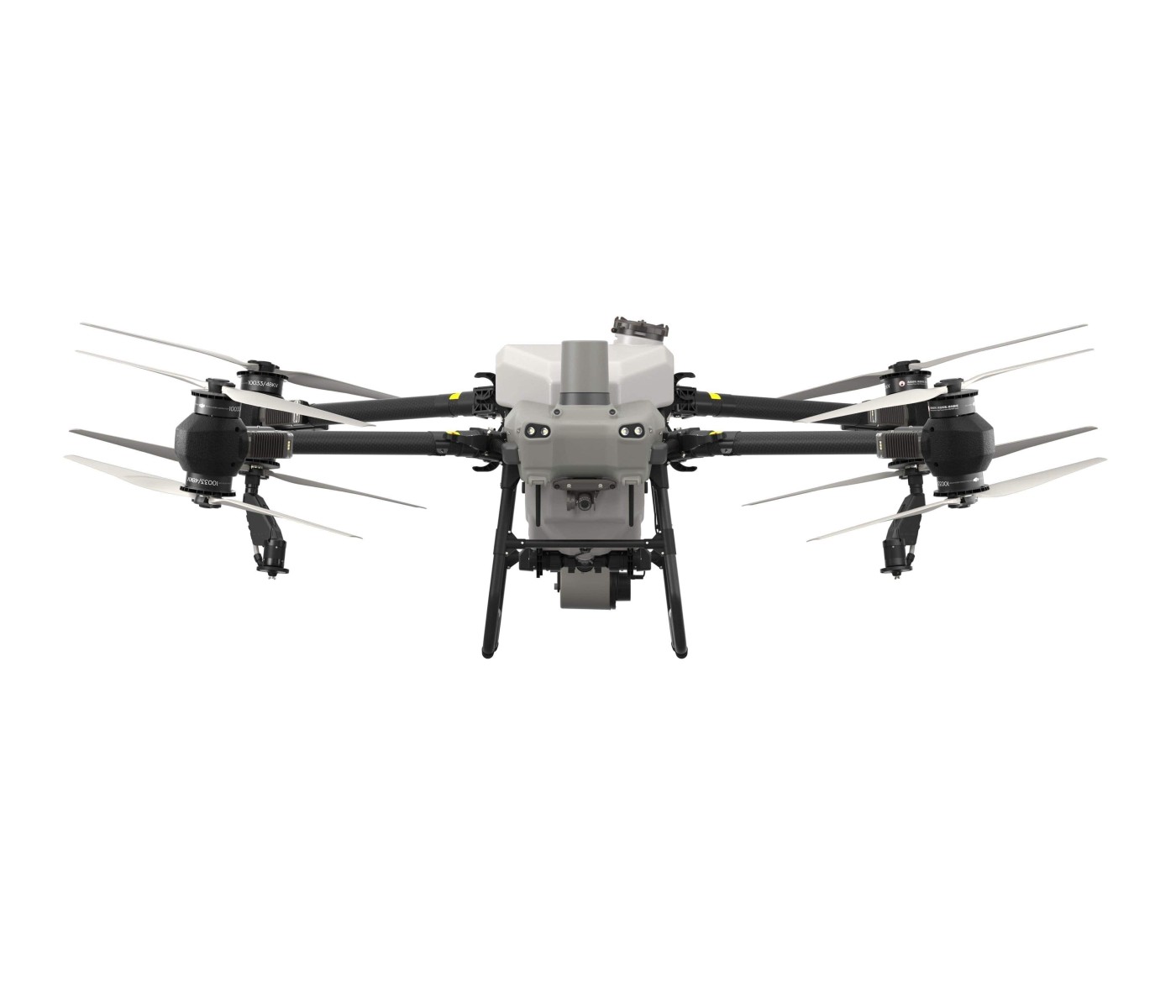
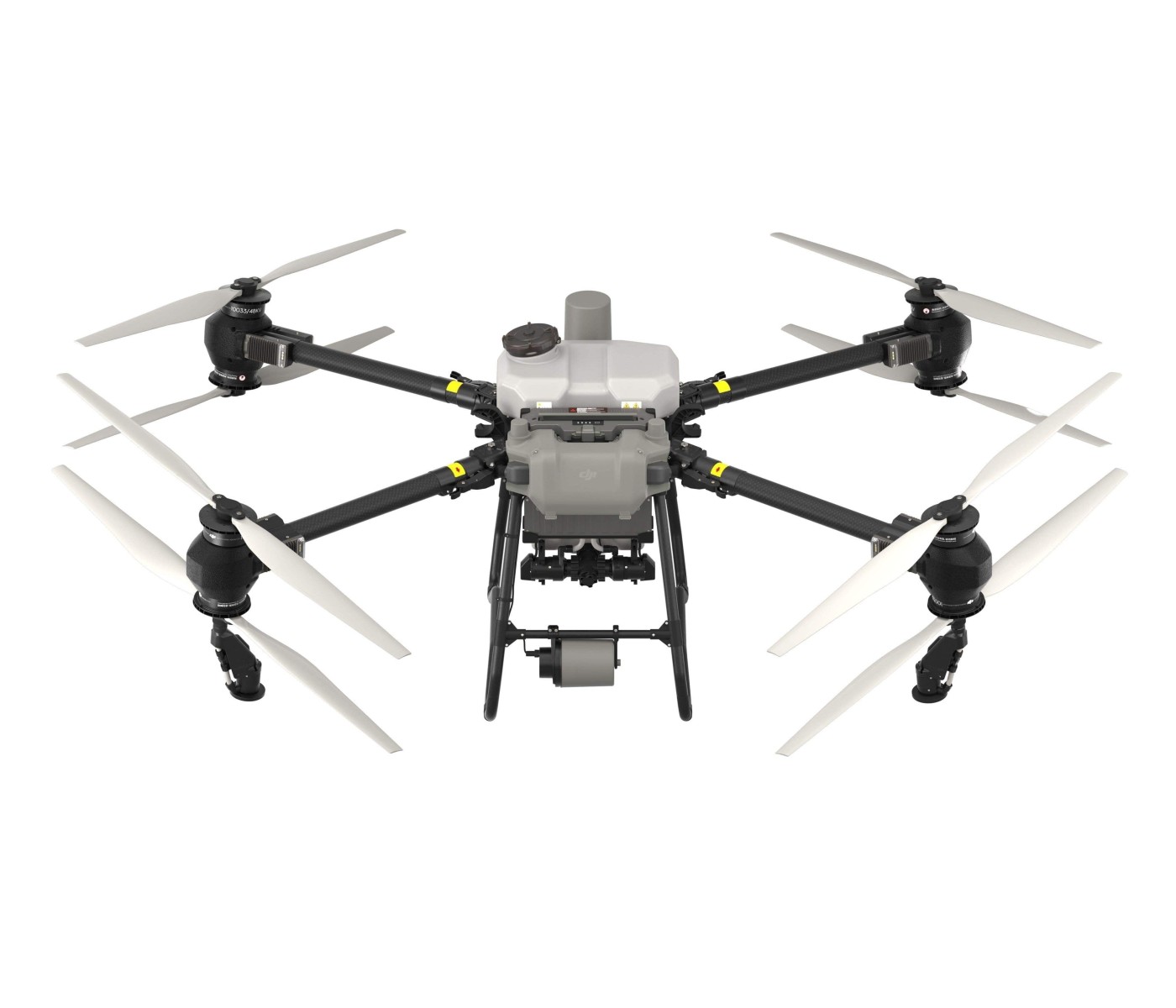
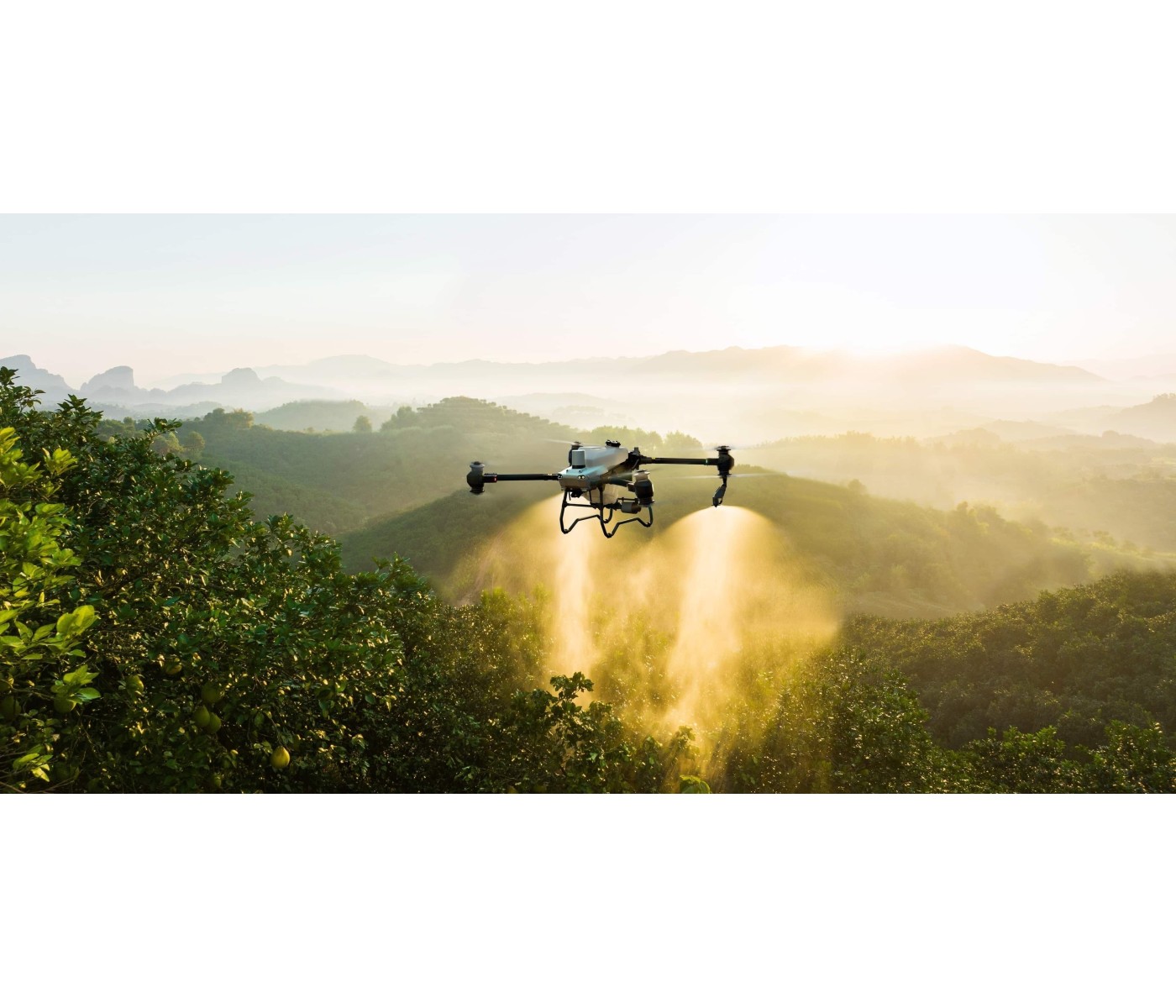
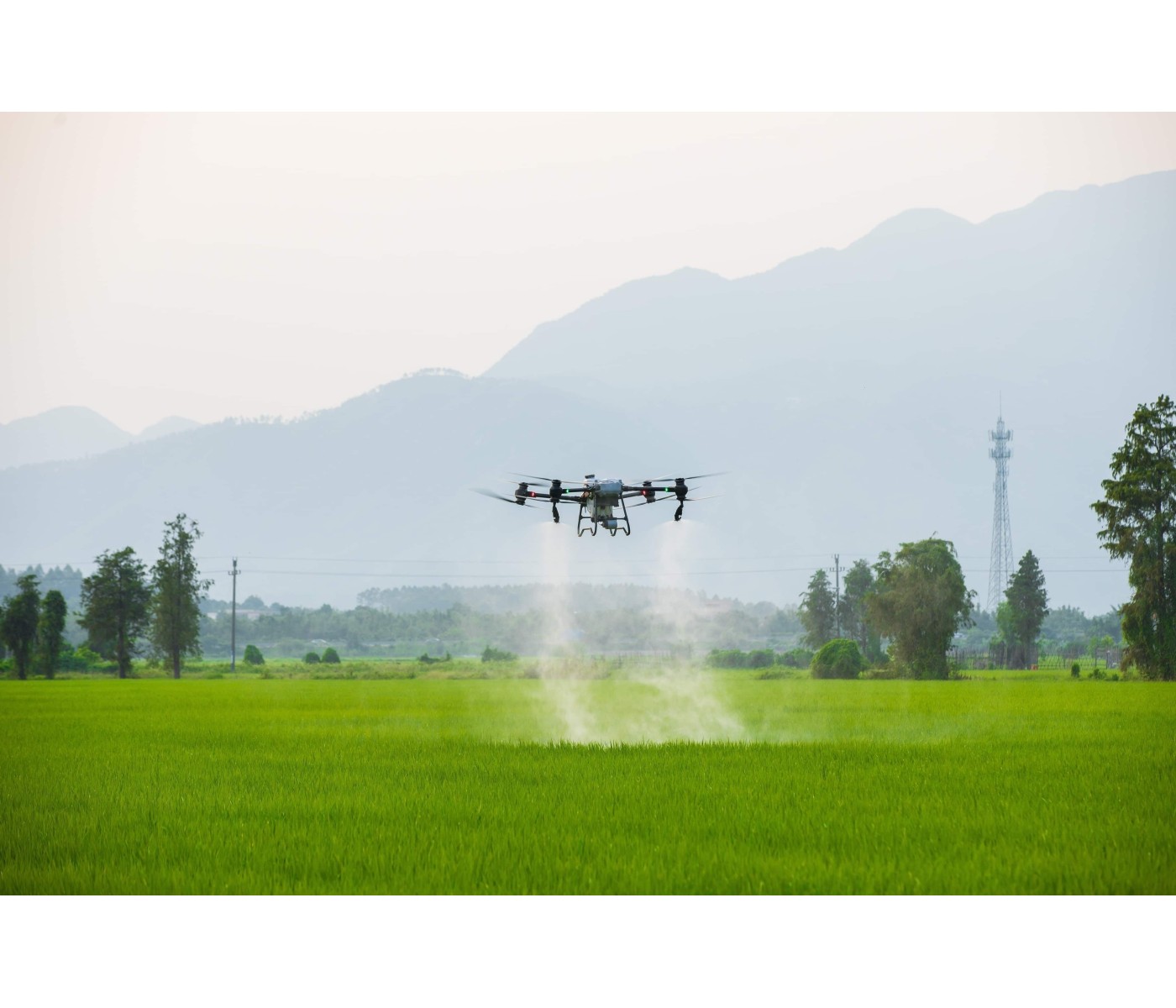
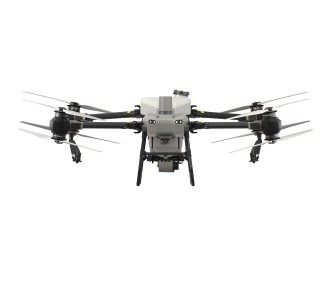
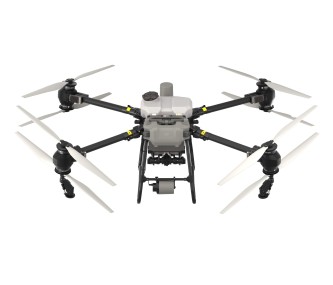
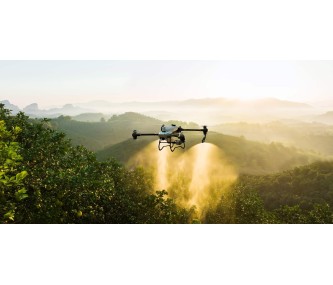
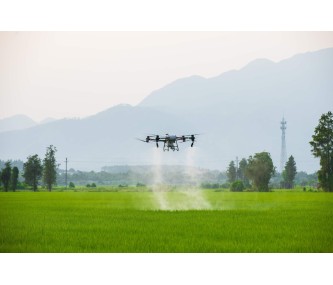
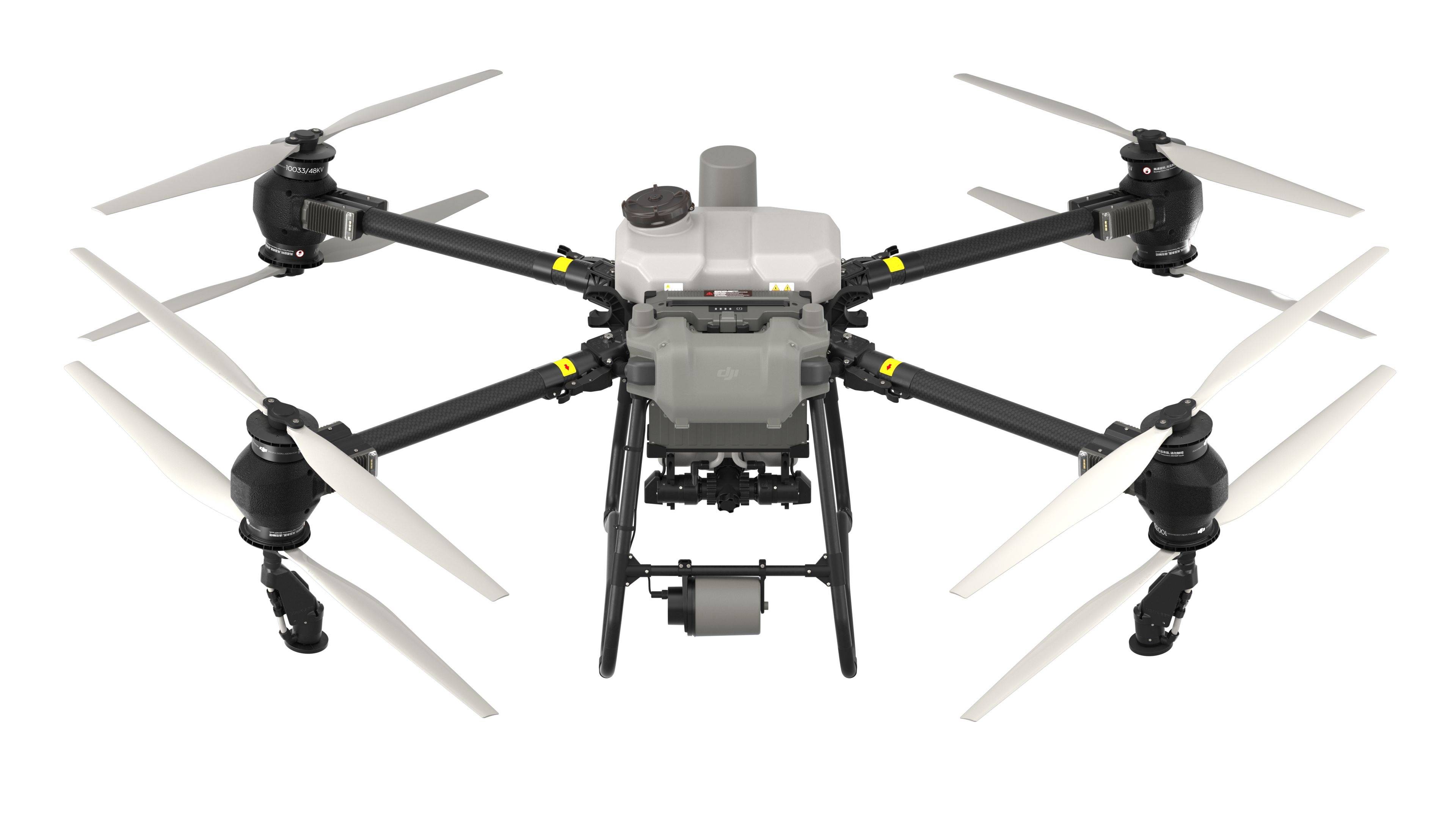
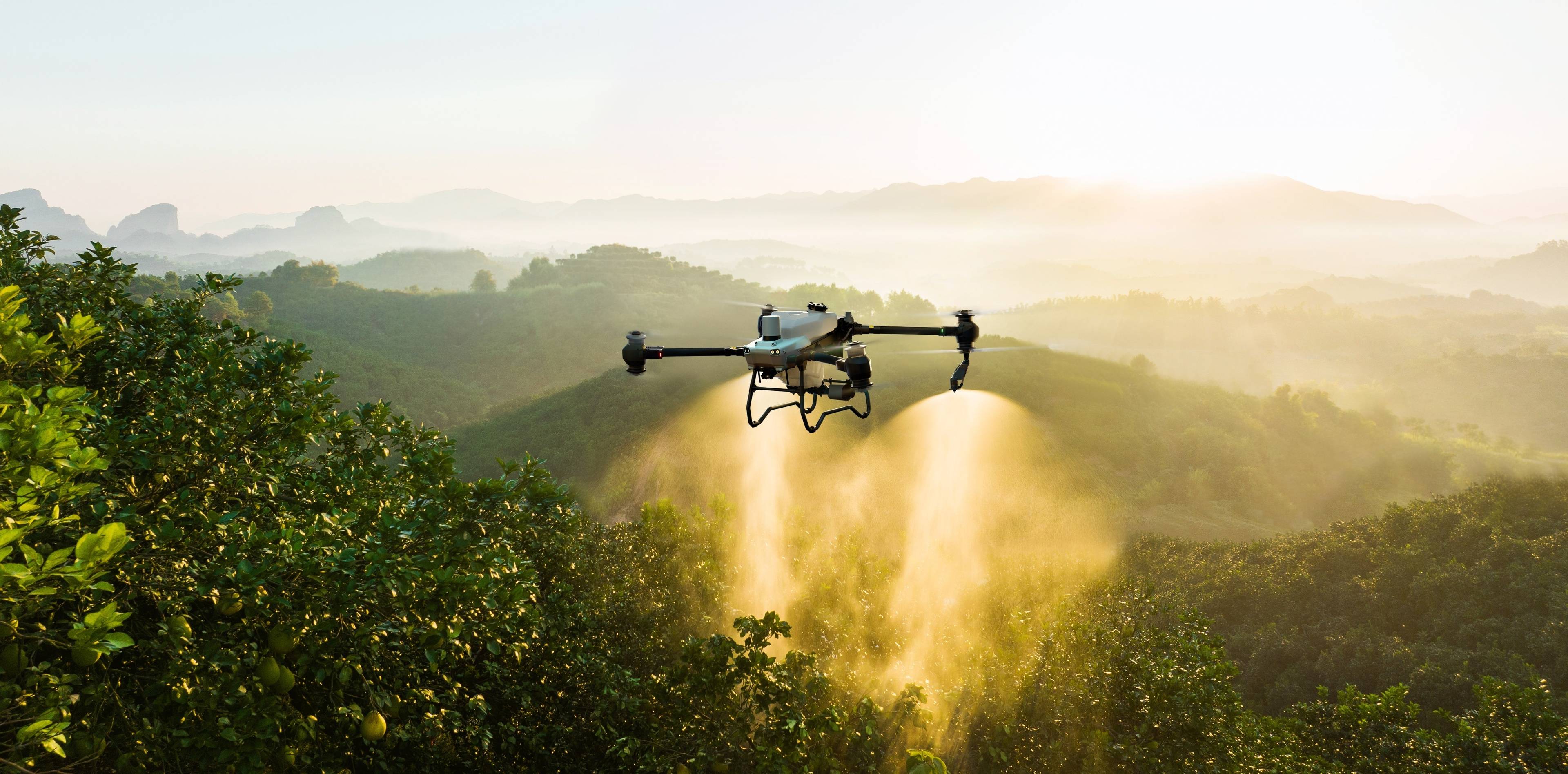
40 L tank made of HDPE plastic, designed to empty in under 3 minutes during continuous operation.
Magnetic-drive impeller pumps (2 units), with flow rate up to 16 L/min (2 nozzles) or 24 L/min (4 nozzles, optional kit).
Centrifugal nozzles that let you adjust droplet size (50-500 μm) with the push of a button, no part swap needed.
Adjustable spray swath width from 4 to 11 meters.
75 L hopper with an internal load capacity of 50 kg of material.
Spiral-channel centrifugal disc for higher spreading efficiency.
High-torque, jam-free spreading motor.
Compatible with dry granules from 0.5 to 5 mm in diameter (fertilizers, cover crop seed, urea, agricultural gypsum).
Dual binocular vision system + front and rear phased-array radar, for obstacle detection and automatic terrain following.
Mountain-mode terrain following on slopes up to 20°.
RTK positioning with ±10 cm horizontal/vertical precision.
Multi-constellation GNSS: GPS, GLONASS, BeiDou, Galileo, and QZSS.
Configurable flight radius up to 2,000 m and wind resistance up to 6 m/s.
8 motors at 4,000 W each, with a coaxial twin-rotor system for greater stability with heavy payloads.
DB1560 intelligent battery (30 Ah, 52.22V, ~1,567 Wh), with a 9-12 minute swap-and-charge cycle using the included intelligent charger.
C10000 fast charger (9,000 W), with adaptive power protection.
RM700B controller with a 7.02" touchscreen LCD, 1920×1200 resolution, and 1200 cd/m² brightness — clear visibility even under direct sunlight in open fields.
Operating temperature range of -20°C to 50°C, suited for demanding field conditions.
1× Aircraft
1× Air-cooled heat sink
1× Toolbox
The toolbox contains the following items:
1× Remote control
1× Carrying strap for remote control
1× USB-C cable
Screws and other accessories
O-rings
Single-layer centrifugal disc
Propeller discs
Phillips-head screws
M5×10 screws
Hose nuts
Tools
Double-ended wrench
Hex key, 2.5 mm
Hex key, 3.0 mm
Hex key, 4.0 mm
1x C8000 (966062) and 2x AC cables (188749) are not included but can be purchased separately as a bundle (420204).
Cheaper as a set! Check it out!
Comments
5 other products in the same category:

DJI T16 Spray Tank Accessories

SANDISK Extreme microSDXC Karte 128 GB mit Adapter

SANDISK Extreme microSDXC Karte 64 GB mit Adapter
Documents for obtaining a VLOS permit for DJI AGRAS (general permit + operating manual/OM + SORA)


